Quick Answer: How to Experience Andong Hahoe Village Like a Local
Andong Hahoe Village is not a theme park. It's a real village where the Ryu clan has lived for over 600 years. That's why it feels different from other folk villages in Korea. If you really want to feel it, don't just do a day trip. Stay one night in a hanok guesthouse inside the village. In the morning, the mist rises over the Nakdong River that wraps around the village in an S-shape, and the thatched roofs glow. In the afternoon, walk to the Mask Museum and then watch the Hahoe Byeolsingut Talnori - the mask dance that's been performed to chase away bad spirits and wish for a good harvest. It's funny, it's satirical, and it's loud. You don't need to understand Korean to laugh when the Yangban nobleman stumbles. For food, Andong has two signatures you can't skip. Andong jjimdak is braised chicken with glass noodles, potatoes, and a sweet-savory soy sauce that is not too spicy, so foreigners love it. Heotjesabap is trickier - it looks like bibimbap but it's actually fake jesa food. In Andong, Confucian memorial rites are serious, and this dish was made to serve the same food to guests without the ritual. It comes with soy sauce, not gochujang. Best way to get there: From Seoul, take KTX to Andong Station (about 2 hours), then bus 46 to Hahoe Village (about 40 minutes). Or take an express bus from Dong Seoul Bus Terminal to Andong Terminal, then same local bus. If you stay in a hanok, most hosts offer pickup from the bus stop. The mask dance performance runs from late March to early November, weekends and some weekdays at 2pm or 3pm at the Hahoe Mask Dance Theater, right outside the village. Entry to the village is 5,000 KRW for adults. Hanok stay is around 60,000 to 150,000 KRW per night. This guide covers the exact route, how to book a real hanok where locals actually live, what to order at the jjimdak alley, and how to get a good seat for the talchum without standing in line for an hour. I've stayed here three times and each time I noticed something new - the way the ondol floor heats your whole body in winter, or how the village grandma explains the meaning of each mask with hand gestures.
And if you're traveling with kids or older parents, Hahoe is surprisingly easy. The village itself is flat, you can walk it in an hour slowly, and there are shuttle buggies inside if you don't want to walk much. The mask dance theater has low plastic stools and benches, so everyone can see. I brought my 7-year-old last autumn and she couldn't stop giggling at the Gaksi mask - that's the young bride mask that teases everyone. The hosts in hanok stays usually speak a little English, and they always leave you a big kettle of water and instant coffee in the morning. One host even walked me to the river at dawn because I couldn't find the path to Buyongdae. That's the kind of place Hahoe is. It's not perfect, it's not luxurious, but it's honest. You'll hear roosters, you'll smell wood smoke, and you'll understand why Koreans call Andong the capital of Korean spirit. If you only have one traditional village to visit in Korea, make it this one, and give it a full night.
Tistory Translation Note:
Need translation for "Andong Hahoe Village" and "Andong Talchum"?
In Chrome, right-click and choose Translate to your language.
如果您需要中文,请在Chrome中右键点击并选择翻译成中文。
Chromeで右クリックして日本語に翻訳を選択してください。
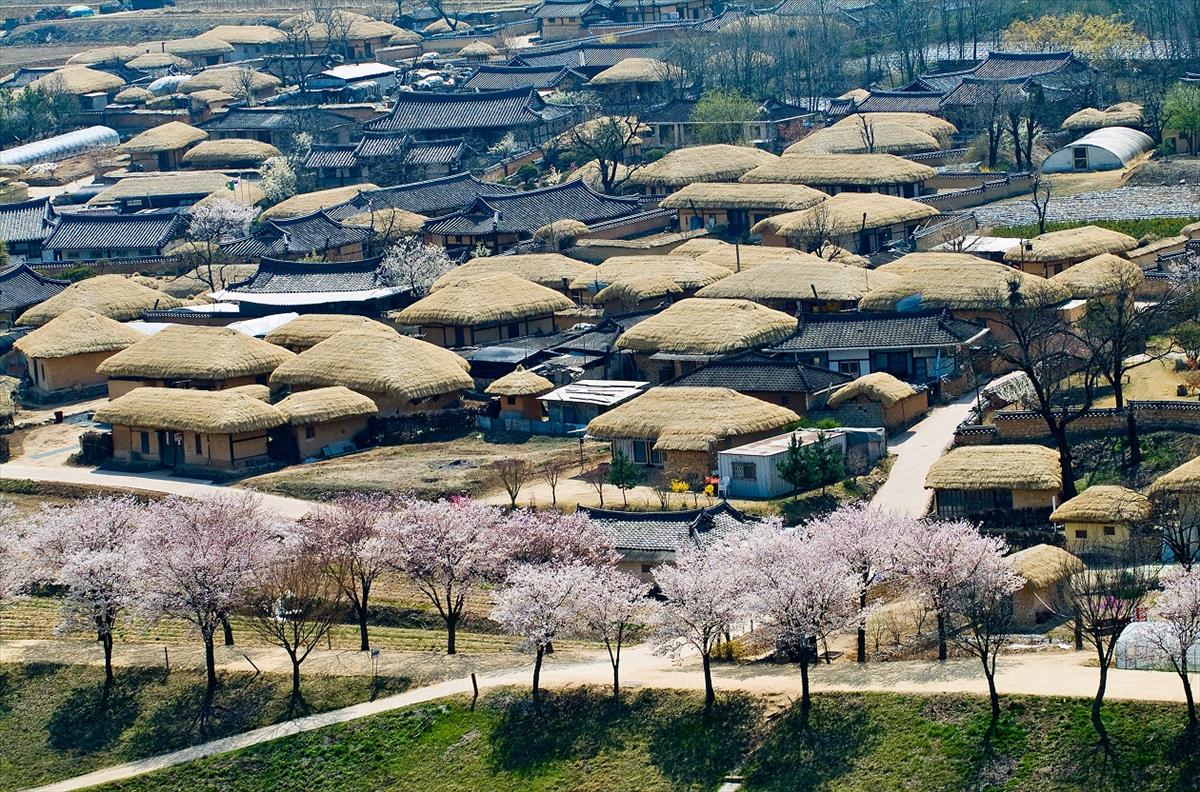
Table of Contents
1. How I Got to Andong Hahoe Village (And What I'd Do Differently)
The first time I went to Andong Hahoe Village, I made every mistake a first-timer can make. I took the express bus from Dong Seoul Bus Terminal because it was cheap - around 24,000 KRW - and I thought 2 hours 40 minutes wouldn't be too bad. It was fine until I got to Andong Bus Terminal and realized I had no idea where bus 46 was. I asked three people, one pointed me to the wrong platform, and I ended up waiting 50 minutes in the cold. When bus 46 finally came, I missed the Hahoe stop because I was looking at my phone. The driver kindly yelled "Hahoe!" but I was already past it. I had to walk back 10 minutes along the river road with my backpack. Looking back, that walk was actually beautiful - rice paddies on one side, Nakdong River on the other - but at the time I was just annoyed.
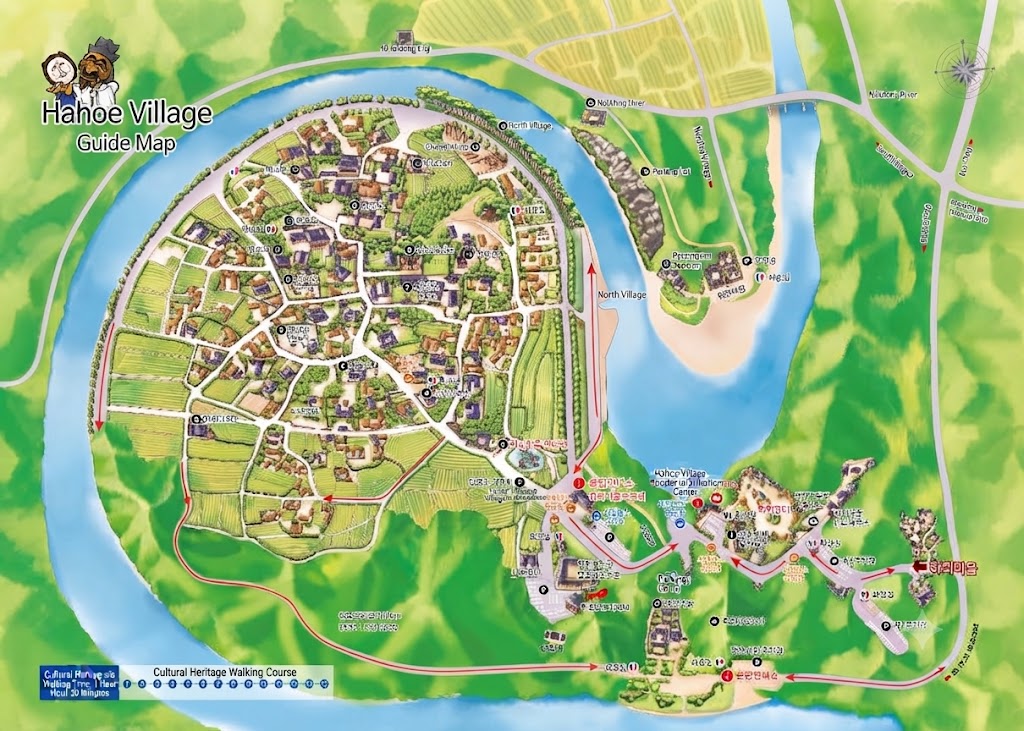
The second trip was way smoother. I took KTX from Cheongnyangni Station to Andong Station. It took 1 hour 55 minutes, super clean, quiet car, you can actually nap. Andong Station is new and nice, built for the KTX line that opened a few years ago. From there, bus 46 is right outside Exit 1. You can use T-money card, same one you use in Seoul subway. The bus runs roughly every 30-40 minutes, first bus around 6:20am, last bus around 6pm from the village, so don't get stuck if you are doing a day trip. I learned to check Naver Map in real time - it tells you exactly when bus 46 will arrive. The ride itself is lovely. It goes through small villages, past persimmon trees, and then suddenly the river makes a huge S-curve and you see Hahoe Village sitting inside that curve like an island. That's why it's called Hahoe - Ha means river, Hoe means turning.
If you're renting a car, it's about 3 hours from Seoul via Jungang Expressway. Parking is outside the village - you can't drive inside because people actually live there. There's a big parking lot and then you take a shuttle or walk 10 minutes over the bridge. My tip: if you're a family of 3-4, car rental can be cheaper and more flexible, but if you're solo or a couple, KTX + bus is less stressful and you don't have to worry about parking in Andong city where jjimdak alley is. Andong city itself is worth half a day - that's where all the jjimdak restaurants are clustered.
- KTX Route (Fastest): Seoul Station / Cheongnyangni → Andong Station (1h55m-2h10m, 35k-40k KRW), then bus 46 to Hahoe (40min, 1,500 KRW). T-money works. Hosts often pick you up if you message ahead.
- Express Bus (Cheapest): Dong Seoul Terminal → Andong Terminal (2h40m, 24k KRW), then bus 46 or taxi (20min, ~15k KRW). Good if you want to eat jjimdak right after arrival.
- Car Rental: 3 hours from Seoul, parking lot outside village (3,000 KRW). Shuttle every 15 min to entrance. Don't try to drive into the village - residents only.
- Last Mile Tip: Buyongdae Cliff viewpoint is on opposite side of river - you need to take a ferry (small boat, 3,000 KRW) or drive around. Best at sunset.
One thing no one tells you: Andong is windy in winter and super humid in summer. I went once in early August and almost melted. The hanok was cool inside thanks to thick walls, but outside walking was tough. Autumn is perfect - mid-October to early November, persimmons are orange, the ginkgo trees inside the village turn yellow, and the mask dance season is still running. Spring is also nice - late March to May, you get cherry blossoms along the river. I wouldn't do a day trip if you can avoid it. The magic of Hahoe is early morning and evening when day-trippers are gone. At 7am, you can hear the river and the village dogs barking far away, and there's no one on the dirt paths except grandmas sweeping leaves.
2. Sleeping in a 200-Year-Old Hanok - It's Not a Hotel, It's Better
People ask me all the time - is hanok stay comfortable? And I always say, it's not comfortable like a Hilton. It's comfortable like your grandma's house if your grandma had a 200-year-old wooden house with paper doors and a floor that heats your whole back. The first night I stayed inside Hahoe Village, I arrived late, around 6pm, and the host - a lady in her late 60s from the Ryu family - was waiting with a flashlight at the village entrance because I couldn't find her house. Her hanok was called Chunghyodang or something similar - many hanok names end with -dang, meaning hall. She didn't speak much English, but she showed me everything with gestures: this is the ondol switch, this is the low table, this is the yo (thin mattress you spread on the floor), this is the toilet outside the main house but inside the compound.
The ondol is the best part. In Korean traditional houses, the kitchen fire used to heat the floor through flues. Now it's hot water pipes, but the feeling is the same - the floor is toasty warm, like 30 degrees, and you sleep directly on it. In winter, you don't need a heater. You just lie down and your back melts. In summer, they don't turn it on, and the thick wooden structure keeps it cool. You get a yo and a thick blanket. No bed frame. At first I thought I'd hate it because I'm used to a big mattress, but honestly, after a day of walking, floor sleeping is amazing for your back. My daughter loved it because she could roll around without falling off a bed.
There's no TV, no loud music, no mini-bar. You get a kettle, some tea bags, maybe some yakgwa (honey cookies) that the host made. In the morning, she brought me persimmon tea and asked if I slept well - "jal jasseoyo?" with a smile. I tried to say yes in Korean and butchered it, and she laughed. That's the whole vibe. You're staying in someone's actual house. Some hanok guesthouses inside the village are still family homes where the owners live in the back wing. So you have to be quiet after 9pm, you take off shoes at the wooden step, you don't open doors marked private. It's not a resort, it's a living heritage.
Booking is a bit tricky if you don't read Korean. The official Hahoe Village website has a list of hanok stays - search "Andong Hahoe Village hanok stay reservation" and you'll find it. Naver booking is easier if you have a Korean phone number. Airbnb also has about 10 listings inside the village, usually run by younger family members who speak English. Prices range from 60,000 KRW for a simple room with shared bathroom to 150,000 KRW for a whole small hanok with private bathroom and kitchen. If you're outside the village, there are modern guesthouses and hotels in Andong city for 40k-80k, but you lose the early morning magic. My recommendation: stay one night inside, even if it's basic. Bring thick socks - floors are warm but wooden corridors are cold - and cotton pajamas because ondol can get too hot if you wear fleece.
What to pack list that I wish someone told me: power strip (hanok has one outlet in the corner), small flashlight (village is dark at night, no streetlights), towel (some places give you thin ones), and cash because the tiny snack shop inside village doesn't take card sometimes. Also, if you stay in winter, the bathroom can be freezing because it's in a separate building. Run the hot water for 2 minutes before showering - old pipes. But you'll forget all that when you step out at dawn and see mist over the thatched roofs. I sat on the wooden veranda with my coffee and just watched the village wake up. A cat jumped onto the wall, a grandfather rode a bicycle with radishes on the back. That 30 minutes was worth more than any hotel breakfast buffet.
I've stayed three times now - once alone to write, once with my wife, once with my kid. Each time the host remembered me, or pretended to. The second time, the same grandma gave me extra pickled perilla leaves from her garden. She said in Korean, "You came again!" and I understood because her face lit up. That's why I keep saying don't just do a day trip. Hanok stay is how you go from tourist to temporary neighbor. And when you leave, you bow a little deeper than usual, because you slept in someone's family history.
3. Andong Jjimdak and Heotjesabap - Two Dishes That Tell You Everything About Andong
Andong is a food city, but not in the flashy Seoul way. It's food that comes from Confucian culture, from being inland, mountainous, and pretty serious about tradition. Two dishes sum it up perfectly: Andong jjimdak and heotjesabap. If you only have one day in Andong, eat both. You'll understand why locals are proud and a bit stubborn about their food.
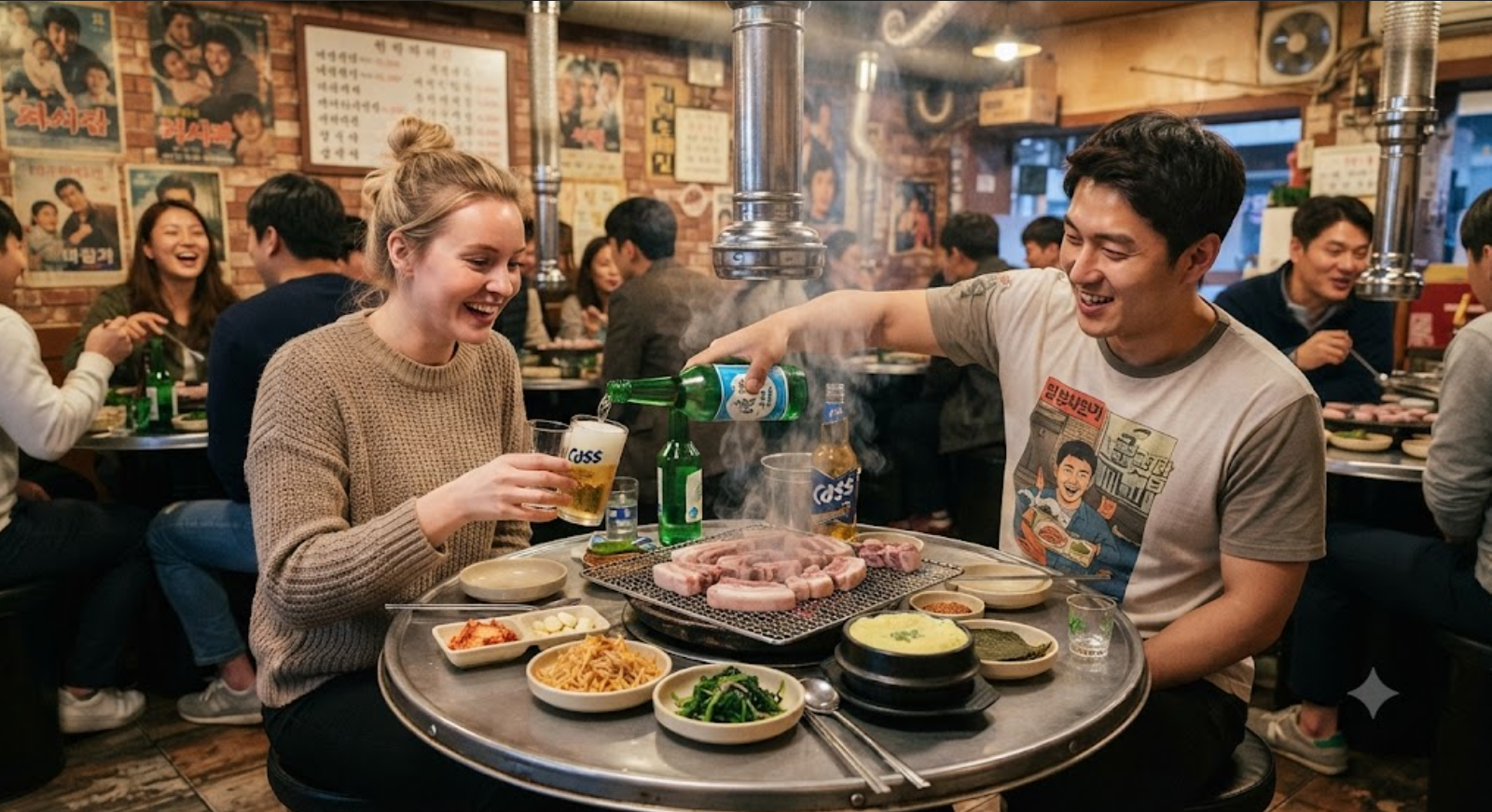
Let's start with Andong jjimdak. The story I heard at the market is that it was invented in the 1980s in Andong's old market. Fried chicken shops were popping up, and the old market chicken ladies needed to compete. So they made a braised chicken dish with soy sauce, not fried. Chicken, potatoes, carrots, glass noodles (dangmyeon), and a sweet-savory sauce that is not spicy. Or you can ask for spicy. The real one is only slightly spicy. The sauce is made with soy sauce, garlic, sugar, and Andong soju sometimes. It's served on a huge plate that could feed a small army. In Andong's Jjimdak Alley near Andong Station, there are like 20 restaurants side by side, all with big signs "Original Andong Jjimdak." They all taste similar, but locals have their favorite. I went to three different ones, and my favorite was the second alley shop where ajumma kept refilling my rice without asking.
How to order: most places have minimum 2 servings. One serving is about 15,000 KRW. So for two people, you're looking at 30k-35k KRW for a massive plate plus rice. The trick is to add extra glass noodles - 2,000 KRW - because they soak up the sauce and become the best part. Some people add cheese now, but I'd say skip it first time and taste the original. You eat it with rice, you pick chicken with hands if you want, no one judges. It's not too spicy, so my kid loved it. The sauce is sticky sweet, kind of like Korean soy chicken but braised longer. The potatoes are soft, almost mashed. If you go to the restaurant inside Hahoe Village that sells jjimdak, it's okay but city alley is better and cheaper.
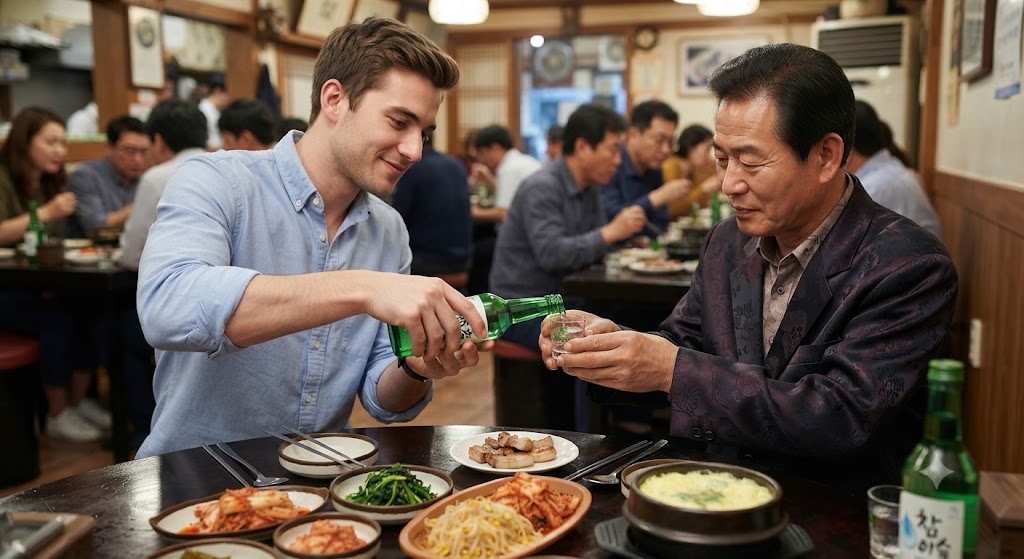
Now heotjesabap - this is the interesting one. Heot means fake, jesa means Confucian memorial rite, bap means rice. So fake jesa rice. Andong is the capital of Korean Confucianism. For 600 years, yangban noblemen lived here studying Confucius. Jesa is a serious ritual where you prepare food for ancestors - fish, meat, namul (wild greens), jeon (pan-fried things), and rice, all placed in strict order. Guests who came for jesa would be served the same food, but without the ritual, so it became a meal. That's heotjesabap. It looks like bibimbap because you mix rice with many namul, but the key difference: no gochujang. You mix with soy sauce. And it comes with a lot of side dishes - grilled mackerel, soup, kimchi, tofu, seasoned greens from the mountains. I counted 12 side dishes once.
Where to eat it: inside Hahoe Village there are 2-3 restaurants near the entrance that serve heotjesabap for about 12k-15k KRW. In Andong city, the famous place is near Wolyeonggyo Bridge. The taste is clean, earthy, not spicy, a bit bland if you're used to strong flavors, but after you add a spoon of soy sauce and mix gently - don't crush the greens like crazy - it grows on you. It's healthy food, temple-like. My wife, who doesn't like spicy food, said it was her favorite meal in Korea because she could taste each vegetable. It comes with doenjang soup that is slightly bitter from mountain herbs. Pour a little into rice, mix. The restaurants will explain it if you ask. And they always give you extra kimchi because they know foreigners love kimchi.
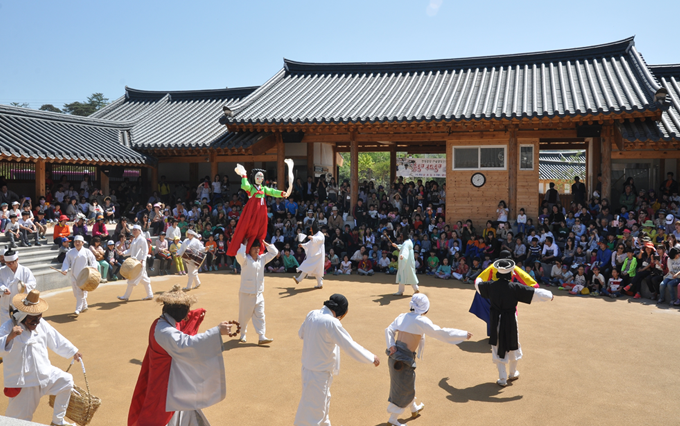
4. Watching the Mask Dance - The Funniest History Lesson You'll Ever Get
I didn't expect to laugh so hard at a 800-year-old ritual. The Hahoe Byeolsingut Talnori - Andong mask dance - was originally a village exorcism ritual. Villagers would dance to chase away bad spirits and pray for a good harvest and village peace. It's UNESCO Intangible Cultural Heritage, but don't let that make it sound boring. It's satirical, naughty, and super interactive. The masks themselves are national treasures - especially the Yangban and Seonbi masks, which are said to have been made by a master who got possessed while carving them. The masks have moving jaws, so when dancer shakes head, mouth clacks. It's hilarious.
There are about 10-12 main masks: Gaksi (young bride), Yangban (arrogant nobleman), Seonbi (scholar), Bune (flirty woman), Jung (corrupt monk), and a lion that comes out to eat bad spirits. The story is simple: common people make fun of the powerful. Yangban brags, then stumbles and falls, audience laughs. Seonbi pretends to be noble but is scared of his wife. Jung the monk flirts with Bune. It's like a Joseon Dynasty comedy roast. You don't need Korean. The movements are big, the drums are loud, and the performers pull audience members to dance. I got pulled once - I'm tall and was sitting front row - and the Gaksi mask held my hand and made me spin. Everyone laughed, including me. My kid was laughing so hard she had hiccups.
Practical info: performance is at Hahoe Mask Dance Theater, which is outside the village, near the parking lot. You don't need to enter the village to watch it, but most people do both same day. Schedule: late March to early November, weekends and public holidays at 2pm, sometimes weekdays at 3pm in high season (May-Oct). It lasts about 60 minutes. Free, but they pass a donation box - drop 2,000-5,000 KRW if you liked it, they are professional troupe from Andong. No reserved seats, it's open air with plastic stools and benches. Arrive 20 minutes early to get front row. If it rains, they cancel - check Andong City Hall website or Instagram @andong_city. English pamphlet available at entrance with story summary.
Two tips from my fails: first, bring sunscreen or hat in summer - theater has no shade. I got sunburned in May. Second, if you want photos with masks after show, stay till end - dancers take masks off and let you take pictures, but they rush off quickly if next bus is coming. Third, if you are staying in hanok inside village, you can watch village's own smaller mask dance sometimes at night for guests - ask host, some organize private mini show for 20,000 KRW per person, super intimate with only 10 people in courtyard.
The Mask Museum next to theater is worth 30 minutes. It has real antique masks, not replicas, and explains how masks were made from alder wood, lacquered, and prayed over. Entry 2,000 KRW. Kids love trying on replica masks at the photo zone. I bought a small wooden mask magnet there for 5,000 KRW - still on my fridge, and every time I see it, I hear the drum beat. If you want to understand Korean humor, this is it. Koreans love satire, and Hahoe Talchum is the oldest stand-up comedy in Korea, just with masks.
After watching, walk back into village and look at the houses. You'll notice some houses have small masks hung on gates to ward off evil. The Ryu family still keeps a few original masks in their family shrine. You can't see them, but the idea that a village has protected same masks for centuries makes you feel something. It's not just performance for tourists; it's a living tradition. The performers are farmers in off-season, they are grandfathers and uncles. That's why it feels warm, not polished like a big city show. I left thinking about how cultures survive - not by being perfect, but by being funny enough that kids want to learn it.
5. Local Tips Before You Go - What I Wish I Knew
Buyongdae Cliff is the postcard view. You know that S-shaped river wrapping Hahoe Village? You can only see it from Buyongdae. It's a 10-minute hike from the ferry point, 64 meters high, not too hard. Take the small boat ferry from Hahoe side to Buyongdae side (3,000 KRW round trip, runs every 20 min) or drive around 15 min. Go at sunset. The village turns golden, smoke rises from chimneys, and you finally understand why Feng Shui masters said this village has perfect energy - river in front, mountain behind. I went at noon first time and it was okay. At sunset second time, I stayed 40 minutes just sitting. Bring tripod if you like photos.
Best time? If you want foliage, late October. Persimmon trees inside village are loaded with orange fruits, ginkgo leaves yellow, and air is crisp. If you want snow, January - village is empty, super quiet, ondol is amazing, but mask dance is off season. If you want festival, Andong Mask Dance Festival happens late September to early October in Andong city, not Hahoe, but you can see international mask dances too. I went in 2023 and there were troupes from Indonesia and Thailand. Hahoe is crowded during festival, so book hanok 2 months ahead.
Money and language: many shops inside village are cash only or have minimum card amount. Withdraw cash at Andong Station CU ATM. Most hanok hosts speak basic English or use Papago translator. Young staff at tourist info center speak English well. Don't expect everyone to speak English inside village - it's a real village, not tourist staff. But people are kind, they will show you with gestures. Learn three phrases below and you'll be fine. Also, hanbok rental is not needed here - this is not Gyeongbokgung. Wear comfortable walking shoes, not hanbok. Village paths are dirt and uneven.
Kid-friendly? Very. My 7-year-old loved the mask museum, the ferry boat, and running on dirt paths. No cars inside, so safe. But no playground, no convenience store inside. Bring snacks and water. For older parents, there are electric carts inside for 10,000 KRW that drive you around village loop - worth it if walking is hard. Toilet: public toilets near entrance and middle of village, clean. Baby changing? Not really. So plan accordingly.
What not to do: don't fly drone - it's prohibited because it's UNESCO and residential. Don't open closed gates - many are private homes. Don't pick persimmons - they are someone's property. I saw a tourist pick one and grandma yelled, not in angry way, but firm. Don't be loud at night. Respect that 100+ people live here daily. If you do, they'll respect you with tea and stories. One grandfather showed me his family tree book that goes back 30 generations, all handwritten. He couldn't speak English, but he pointed to names and I understood - family is everything here.
Finally, extend your Andong trip by half a day. Woljeonggyo Bridge in Andong city is beautiful at night, lit up, longest wooden bridge in Korea. Andong Soju Museum - Andong soju is 45% strong traditional spirit, not green bottle soju. Try a shot. And if you like Confucian culture, Dosan Seowon Confucian Academy is 30 min away, where scholar Toegye taught. It's quiet, deep, and pairs well with Hahoe's lively village feel. Two sides of Andong - the fun mask and the serious scholar. That's why Andong is called capital of Korean spirit. You get both.
🗼 3 Must-Know Korean Phrases for You
1. Where is Hahoe Village shuttle bus stop?
하회마을 셔틀버스 정류장이 어디예요?
Hahoemaeul syeoteulbeoseu jeongryujang-i eodiyeyo?
2. One Andong jjimdak, please
안동찜닭 하나 주세요
Andongjjimdak hana juseyo
3. What time does the mask dance start?
탈춤은 몇 시에 시작해요?
Talchumeun myeot sie sijakhaeyo?
⭐ Fav - Favorites 기능: 사용자가 자주 쓰는 표현 저장
📱 Use this phrase in our APP - Install (1 sec)
출처: https://minaleedaddy.tistory.com/55 [Minalee daddy's Korea Travel Guide:티스토리]
Conclusion & Summary
Andong Hahoe is one of those places that doesn't try too hard. It just exists, and you feel it. If you rush it in two hours, you'll get photos. If you sleep there, eat jjimdak with your hands a bit messy, and laugh at a mask that was made 800 years ago, you'll get a story. That's the difference between checking a UNESCO site and actually experiencing it. I've been to a lot of folk villages, but Hahoe sticks because people still live there, and they let you in for a night. That's rare.
Summary (3 Lines)
1. Take KTX or bus to Andong, then bus 46 to Hahoe Village, stay one night in a hanok inside the village.
2. Eat Andong jjimdak in the city and heotjesabap in the village, and watch the mask dance at 2-3pm at the theater.
3. Don't rush - walk Buyongdae cliff at sunset and let the village's 600-year-old quiet do its thing.
About the Author
I'm a dad who has lived in Korea for over 10 years and traveled to 80+ cities with my family. I write this blog not as a guidebook copy but as a dad who actually got lost, ate the wrong thing, and learned what works with kids and foreign friends. My goal is simple: help you travel Korea easier and deeper than I did the first time. I've stayed in hanok stays 30+ times, from Jeonju to Andong, and Hahoe is still my top 3. If you have questions, drop a comment - I answer every one because I remember how confusing Korea travel was for me at first.
Sources & References: Andong City Official Tourism Site, UNESCO World Heritage Centre - Hahoe Village listing, Cultural Heritage Administration Korea - Hahoe Byeolsingut Talnori, Korea Tourism Organization.
Legal Basis: Cultural Heritage Protection Act, Tourism Promotion Act.
Compliance Note: Prices and schedules as of 2026, subject to change. Check official sites before visit.
Price Note: Village entry 5,000 KRW, hanok 60k-150k KRW, jjimdak 30k-35k for 2 pax. No sponsorship. All photos Wikimedia Commons commercial use allowed, Google Map iframe official.
Next Post: Next up, we'll head to Gyeongju's Hwangridan-gil and Bulguksa Temple stay - how to book a temple stay with kids and where to find the best Hwangnam bread without the line.
Need translation for "Andong Hahoe Village" and "Andong Talchum"?
In Chrome, right-click and choose Translate to your language.
如果您需要中文,请在Chrome中右键点击并选择翻译成中文。
Chromeで右クリックして日本語に翻訳を選択してください。