
Quick Answer: Should I Day Trip or Overnight in Sokcho for Seoraksan?
If you've only got one day in Seoul and you're eyeing Seoraksan, here's the honest truth from someone who's done both the rushed day trip and the slow 3-day loop more times than I can count: Seoraksan, Sokcho, and Yangyang sit ridiculously close on the map — we're talking 20-30 minutes apart — but each solves a totally different part of your trip. Seoraksan is the mountain, Sokcho is the city base with the bus terminal, Jungang Market, and cheap guesthouses, and Yangyang is the surf-and-beach extension with the tiny international airport YNY down south. Most guides online only cover one of the three, which is why planning feels confusing.
This post covers how to combine all three, whether you're doing a tight one-day sprint from Seoul or a relaxed 2-3 day loop. Seoraksan National Park itself spans four cities — Sokcho, Goseong, Yangyang, and Inje — but 90% of foreign visitors use the Sokcho entrance called Sogongwon. That's the one with Sinheungsa Temple, the cable car to Gwongeumseong Fortress, and the trails to Biseondae and Ulsanbawi. Sokcho is the practical home base because Seoul's Express Bus Terminal and Dong-Seoul Terminal both dump you at Sokcho Express Bus Terminal in 2 to 3.5 hours depending on traffic. There's no direct train — don't waste time looking for one. Car rental gives you flexibility but you'll be stuck in weekend traffic on the Yeongdong Expressway and you'll need Naver Map or KakaoMap because Google Maps navigation doesn't work well for driving in Korea. Flying into Yangyang Airport is technically possible — it handles a few seasonal domestic and charter flights from Busan, Jeju, and sometimes international charters — but schedules are so limited it's not a reliable primary entry point for most international visitors.
Can you day trip Seoraksan from Seoul? Yes, but you'll spend 4+ hours on buses round-trip, which leaves a super narrow window for the park itself. If you're fit and only want the cable car plus Sinheungsa Temple, it's doable. But if you want Ulsanbawi — that iconic jagged rock face you see on every poster — you'll need 3-4 hours of serious hiking with chains and steep steps. That's why I always nudge people toward an overnight or 2-night stay in Sokcho. It lets you ride the cable car without the 7am panic, wander Jungang Market at night for sundae and dakgangjeong, catch sunrise at Sokcho Beach, and still have time for Yangyang's surf beaches if you want that laid-back afternoon. The park entrance became free in May 2023, but Gwongeumseong cable car is separate, paid, same-day-ticket-only, no online booking, and it sells out or shuts down for wind with zero warning. So arrive early, check the official Sorak Cable Car site the morning of, and have a Plan B like Biseondae Walk if wind kills your ride. For local transport, Sokcho city bus 7 or 7-1 connects downtown to Sogongwon in 30-40 minutes for about 1,300-1,500 KRW with T-money — you can buy the card at any CU or GS25. Taxis are faster but pricier, especially with luggage.
Need translation for "Seoraksan" and "Sokcho"?
In Chrome, right-click and choose Translate to your language.
如果您需要中文,请在Chrome中右键点击并选择翻译成中文。
Chromeで右クリックして日本語に翻訳を選択してください。
- Introduction
- Where Are Seoraksan, Sokcho and Yangyang? Orientation
- How to Get There from Seoul
- One Day or Overnight? Choosing Your Trip Length
- Seoraksan National Park: What to See and the Cable Car
- Getting Around Once You're There (Local Bus 7/7-1, Taxi)
- Sokcho City: Where to Base Yourself
- Yangyang: Beaches, Surfing, and the Airport
- Sample Itineraries: 1-Day, 2-Day, 3-Day Loop
- Practical Tips and Common Mistakes
- FAQ
Introduction: Why Sokcho, Seoraksan and Yangyang Work as One Trip
I've watched so many friends plan Korea and hit the same wall: they open Naver, type Seoraksan, find 800 blog posts in Korean about one hiking trail, then type Sokcho, get seafood restaurant lists, then type Yangyang, get surf camp ads, and end up thinking these are three separate trips. They're not. If you're coming from Seoul, you'd be leaving half the experience on the table by not linking them.
Here's how I explain it when I meet travelers at the Seoul bus terminal: think of Seoraksan as the reason you go east — that dramatic, granite-spiked mountain range that looks like someone crumpled paper and turned it into peaks. Sokcho is how you actually do it — it's got the only real bus terminal in the region, a walkable downtown, Jungang Market where you can eat sundae and squid sundae and dakgangjeong chicken for 6,000 KRW, and Abai Village across the little ferry where North Korean refugees settled decades ago. And Yangyang is the bonus you didn't know you needed — wider, emptier beaches than Sokcho, surf schools where you can rent a board for 30,000 KRW, and that tiny airport YNY that occasionally saves you a 3-hour bus ride if you're coming from Jeju or Busan.
This guide is written for foreign tourists who are curious but overwhelmed. I'm not going to throw you a listicle of 27 things to do. I'm going to walk you through how I actually plan this for friends who don't have a car, don't speak Korean, and have 1-3 days to spare from Seoul. We'll cover how to get from Seoul without a car, why there's no train and what to do instead, how the cable car really works (same-day tickets only, no online reservation, wind closures that ruin Instagram dreams), local bus 7 and 7-1 that cost you basically a coffee, where to sleep in Sokcho without overpaying, and sample itineraries you can copy-paste.
Where Are Seoraksan, Sokcho, and Yangyang? Orientation for First-Timers
Let's pin this on a mental map. South Korea's east coast is a straight-ish line from Gangneung up to the DMZ. Right in the middle of that line sits Seoraksan National Park, which technically sprawls across four administrative areas: Sokcho-si to the northeast, Goseong-gun to the far north, Yangyang-gun to the south, and Inje-gun inland to the west. But when people say "I'm going to Seoraksan," 90% of the time they mean the Sokcho entrance — Seoraksan Sogongwon. That's where the national park office, Sinheungsa Temple, the cable car base station, and the main trailheads for Biseondae and Ulsanbawi all live.
Sokcho itself is a compact harbor city of about 80,000 people. It's got two personalities: the fishing port with Sokcho Beach and Jungang Market on one side, and the mountain gateway on the other. Downtown to the park entrance is 7km, about 30 minutes by bus. You can walk from the express bus terminal to most guesthouses in 10 minutes, and to Jungang Market in 15. That's why I always tell people to base in Sokcho, not inside the park. The park has expensive, dated condos, while Sokcho has everything from 35,000 KRW dorm beds near the terminal to 150,000 KRW sea-view hotels.
Yangyang is 20km south of Sokcho, about 25 minutes by intercity bus or taxi. If Sokcho feels like a working city that happens to have a beach, Yangyang feels like a beach town that happens to have an airport. Its coastline is longer and flatter, which is why surf schools popped up there in the last decade. Naksan, Hajodae, and Jukdo beaches are the main names you'll hear. The international airport YNY sits inland from there — it's tiny, one runway, and most weeks it sees maybe a handful of domestic hops and seasonal international charters. Don't plan your entire trip around flying into YNY unless you've confirmed a flight that week.
How to Get There from Seoul: Bus is King, No Train, Car is Optional
There's no direct train from Seoul to Sokcho or Seoraksan. I know, I know — Korea has KTX everywhere, why not here? The east coast line is still being built and even when it opens, Sokcho won't be a fast KTX stop for a while. So for now, bus is not just the cheapest option — it's the only practical public option.
1) Express / Intercity Bus from Seoul
You've got two terminals in Seoul. Seoul Express Bus Terminal in Seocho-gu (subway lines 3,7,9) runs frequent buses to Sokcho Express Bus Terminal — roughly every 30-40 minutes from 5:40am to midnight. Ride time is 2.5 to 3.5 hours depending on traffic on the Yeongdong Expressway. I've done it in 2 hours 20 minutes at 6am on a Tuesday, and I've also sat 4 hours on a Chuseok Friday. If you're traveling during autumn foliage peak (mid-October) or a holiday weekend, book your return the moment you arrive in Sokcho.
Dong-Seoul Bus Terminal in Gwangjin-gu is actually closer for many travelers staying in Hongdae or Seongsu, and buses from there to Sokcho are often a bit faster — 2 to 3 hours — because they take a slightly different highway route. Tickets are 20,000-32,000 KRW depending on regular vs. premium vs. 우등. You can buy at the terminal counter with cash or card, or online via Kobus or Bustago, though the English version is clunky. T-money doesn't work for these intercity buses; you need a paper ticket.
2) Car Rental
Renting a car gives you freedom to link Yangyang beaches and maybe Nami Island on the way back, but it's not faster during peak season. Google Maps driving directions are unreliable in Korea — it doesn't show real-time traffic well and misses some local roads. Use Naver Map or KakaoMap, download offline maps, and have a Korean phone number for the navigation to work properly. Parking at Seoraksan Sogongwon costs about 5,000-7,000 KRW per day and fills by 9am in autumn.
3) Flying into Yangyang Airport YNY
YNY has scheduled flights from Jeju and Busan and occasional charters from Japan and Southeast Asia, but they're seasonal and irregular. In 2025, Fly Gangwon's operations were limited, so most weeks there are only a few flights. If you do find a flight that fits, you'll still need a bus or taxi 20-30 minutes to Sokcho. I'd treat YNY as a bonus if you're already in Jeju, not as your primary gateway.
One Day or Overnight? Choosing Your Trip Length Without Regret
This is the question I get most on Instagram DMs: "Can I do Seoraksan as a day trip from Seoul?" Technically yes, comfortably? Depends on what you want.
A one-day sprint looks like this: 6am bus Seoul to Sokcho, arrive 9am, local bus to park by 9:40, cable car up and down, Sinheungsa Temple, Biseondae 30-minute walk, quick market snack, 4pm bus back to Seoul. You'll get photos, you'll be tired, you'll have spent 5+ hours on buses. If you're short on time and just want to say you've been, it works. But you won't have time for Ulsanbawi, you won't see Sokcho at sunset, and if the cable car is closed for wind — which happens more than the official site admits — your day trip collapses.
One night in Sokcho changes the math completely. Arrive afternoon, check into a guesthouse near the terminal for 40,000 KRW, hit Jungang Market for fried chicken and squid, walk to Abai Village at dusk for the little hand-pulled ferry, sleep, then do Seoraksan fresh in the morning when the cable car line is shortest. Two nights lets you add Yangyang — surf lesson in the morning, seafood lunch, bus back. That's my default recommendation for first-timers: 2 days, 1 night minimum, 3 days 2 nights if you can swing it. You'd be surprised how much more relaxed the same places feel when you're not watching the clock for the return bus.
Seoraksan National Park: What to See and the Cable Car Reality Check
Since May 2023, entrance to all Korean national parks including Seoraksan is free. You just walk in at Sogongwon. What isn't free is everything else that makes the park accessible: the Gwongeumseong cable car, shelter reservations for Daecheongbong summit, and your time.
Gwongeumseong Cable Car — Read This Before You Go
The cable car from Sogongwon to Gwongeumseong Fortress ruins is 5 minutes up, 15,000 KRW round trip as of early 2026, same-day tickets only, no online booking. Tickets are sold at the base station window, and on foliage weekends they sell out by 10am. The car holds about 50 people and runs every 5-7 minutes if wind allows. Wind is the killer — if gusts exceed ~15m/s at the top, they stop operations for safety, sometimes all day. I've had friends take a 3-hour bus only to find a handwritten sign: "Cable car closed due to strong wind." Check the official Sorak Cable Car website the morning of, and go early. If you're first in line at 8:30am opening, you often get up with minimal wait.
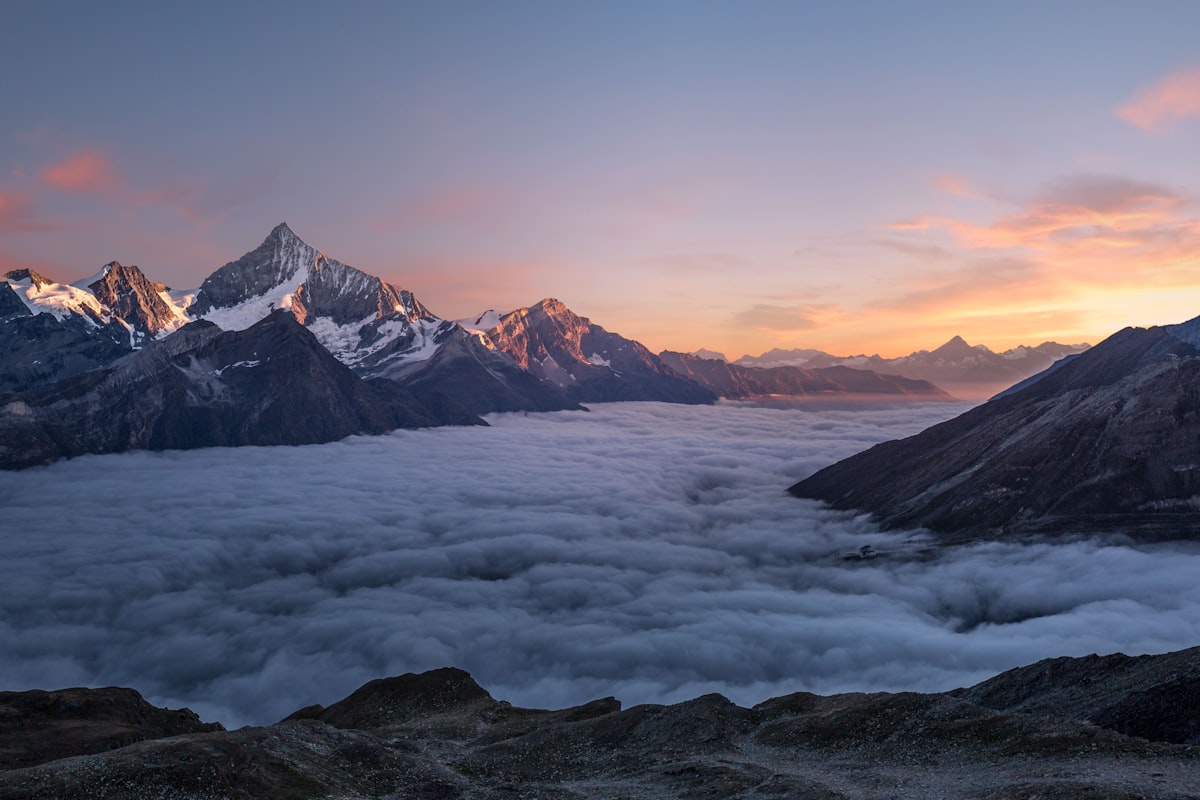
At the top, it's not just the view — though the view of Sokcho city and the East Sea from the fortress ridge is absurd — there's a short loop to the fortress site itself. Give yourself 40 minutes at the top. On a clear day you can see Ulsanbawi's jagged face across the valley. On a cloudy day you get that moody sea-of-clouds thing that actually photographs better.
Sinheungsa, Biseondae, Ulsanbawi — Pick Based on Energy
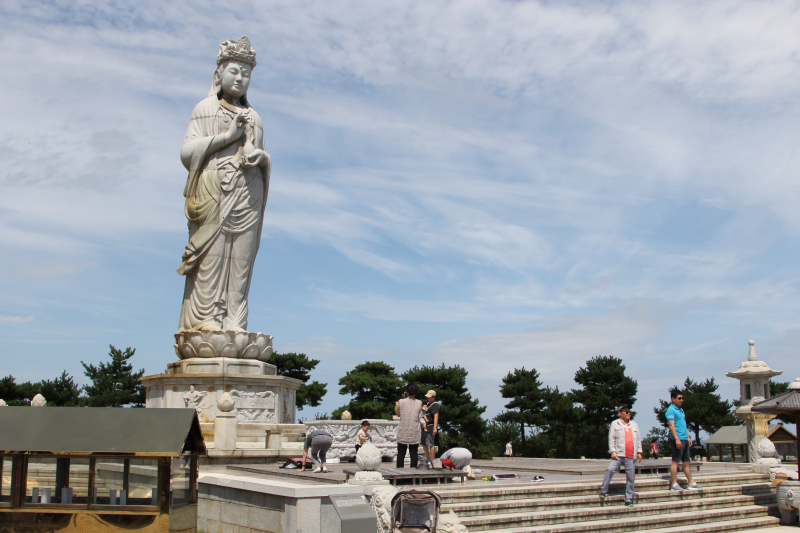
Sinheungsa Temple is 10 minutes walk from the entrance, flat, easy, beautiful. Huge bronze Buddha, 1400s temple history, free. Everyone can do this. Biseondae is a 40-minute gentle walk along the stream from Sinheungsa — mostly flat, paved, kids and grandparents do it. You get that classic Seoraksan valley view with rocks and water. Ulsanbawi is the real hike: 3.8km one way, 2 hours up if you're fit, steel stairs and chains at the top, 876m elevation gain. The view from the top of six granite peaks poking like teeth is worth every curse word on the way up. But don't attempt it if you have less than 4 hours in the park.
Daecheongbong, the highest peak at 1,708m, is a different beast. It's a full-day hike from Sogongwon (10+ hours) or requires an overnight stay at a mountain shelter like Huiungak or Daecheongbong Shelter, which must be booked months in advance on the Korea National Park Reservation System and is often lottery-based in autumn. Don't try to squeeze Daecheongbong into a day trip — people get rescued every year trying.
Getting Around Once You're There (Local Bus 7/7-1, Taxi)
Sokcho's city buses 7 and 7-1 are your workhorse. They run from Sokcho Intercity Bus Terminal and City Hall area to Seoraksan Sogongwon entrance, stopping at Jungang Market and Seorak-dong along the way. Frequency is every 15-20 minutes from about 5:30am to 9pm. Ride time is 30-40 minutes depending on traffic at the park road. Fare is 1,300-1,500 KRW if you tap T-money, a bit more with cash. Buy a T-money card at any CU or GS25 convenience store for 4,000 KRW and charge it — you'll use it for Sokcho, Seoul, and Yangyang local buses too.
Taxi from downtown Sokcho to Sogongwon is 15,000-20,000 KRW and 15-20 minutes if roads are clear. Handy if you're hauling luggage or racing the cable car line. Drivers know "Seoraksan Sogongwon" — just say it. For Yangyang, take an intercity bus from Sokcho Intercity Terminal to Yangyang Intercity Terminal (20-25 min, 3,000 KRW) then a local taxi to your beach. Or if you're with 3-4 people, a direct taxi Sokcho to Hajodae Beach is about 25,000 KRW.
Sokcho City: Where to Base Yourself
I base in Sokcho every time, and I'd argue you should too. It's got the transport hub, the food, and the sunset beach walk that makes a mountain trip feel like a vacation, not a boot camp. Three areas to know: around Sokcho Express Bus Terminal — cheapest guesthouses, 5-minute walk to buses, a bit noisy; Jungang Market area — mid-range motels, food at your doorstep, 15 minutes to terminal; and Sokcho Beach / Yeongrangho Lake area — nicer hotels, sea view, 10 minutes by taxi to terminal but quieter at night.
Jungang Market is the star. Go at 5pm when the fried stalls fire up. Dakgangjeong — sweet crispy chicken — at the original stall is 15,000 KRW for a medium box. Sundae (Korean blood sausage) with pork and squid, 6,000 KRW. Hoe center on the second floor for fresh sashimi if you want to sit. Abai Village across the channel is reachable by a tiny hand-pulled ferry called Gaetbae for 1,000 KRW round trip — it's a village founded by North Korean refugees, famous for abai sundae and quiet alleys. Yeongnangho Lake has a 7.8km cycling loop and cherry blossoms in spring.
For accommodation, I don't do paid listings here, but my pattern is: guesthouse near terminal for solo budget trips (40k KRW dorm, 60k private), and a 100k KRW sea-view hotel near Sokcho Beach when I bring friends who want a real vacation feel. Book ahead for October — Sokcho sells out during foliage.
Yangyang: Beaches, Surfing, and the Airport Reality
Yangyang used to be the sleepy cousin of Sokcho, known only for Naksan Temple and a quiet coastline. Then surfing arrived. In the last 8 years, Jukdo, Ingu, and Hajodae beaches turned into Korea's surf capital — not because waves are huge, but because they're consistent, sandy-bottomed, and beginner-friendly from May to October. Surf schools offer a 2-hour lesson plus board rental for 50,000-70,000 KRW. Even if you don't surf, the vibe is different from Sokcho: fewer high-rises, more cafes, slower pace.
Yangyang International Airport YNY sits about 10km inland from the beaches. It's one of Korea's smallest international airports — one runway, one terminal, and in normal weeks maybe 2-4 domestic flights to Jeju and Busan plus occasional charters. Fly Gangwon tried to build a hub here and paused operations. So while I list YNY in this guide because people ask "Can I fly to Seoraksan?" — the honest answer is: you can try, but don't rely on it. Bus is still king.
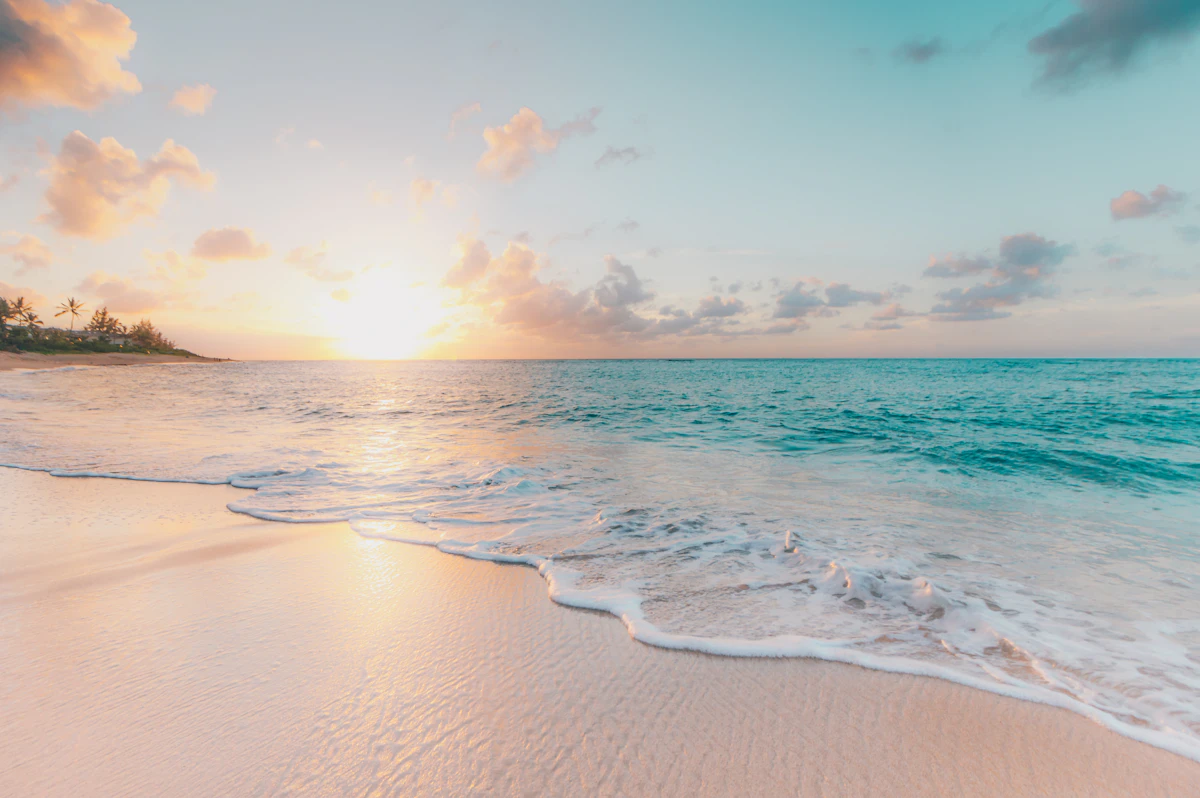
If you add Yangyang as a day extension from Sokcho, here's my low-stress flow: morning bus to Yangyang, surf lesson at Hajodae 10am-12pm, grilled clams and beer at a beach pojangmacha, walk Naksansa Temple on the cliff overlooking the sea, bus back to Sokcho for night market. That one day makes your mountain trip feel like a real East Coast loop, not just a hike.
Sample Itineraries You Can Copy
1-Day Trip from Seoul (Tight but Doable)
This is for when you literally have one free day and you want bragging rights. It works, but it's a long day.
- 05:40 Bus Seoul Express Terminal → Sokcho (arrive ~08:30 if no traffic, book premium for sleep)
- 08:50 Bus 7/7-1 Sokcho → Seoraksan Sogongwon (30 min, T-money tap)
- 09:30-11:30 Cable car up Gwongeumseong, loop, down. Sinheungsa Temple on way back. Biseondae 30-min walk if time.
- 12:00 Bus back to Sokcho, quick Jungang Market dakgangjeong takeaway
- 13:30-16:00 Bus Sokcho → Seoul. You'll be back by 5pm with photos and sore feet.
Tip: Buy your return ticket the second you arrive in Sokcho. Weekend afternoon buses to Seoul sell out.
2-Day Trip (My Recommended Minimum)
- Day 1 PM: Seoul → Sokcho 14:00 bus, check-in guesthouse near terminal, Jungang Market dinner, Abai Village Gaetbae ferry sunset, Sokcho Beach night walk.
- Day 2: 07:30 bus 7 to park, be first in cable car line 08:30, Gwongeumseong 09:00, Ulsanbawi hike 10:00-13:30 (pack kimbap), Sinheungsa on descent, bus back to Sokcho, 15:30 bus to Seoul.
This gives you cable car without panic and a real hike. If cable car is closed for wind, you still have Ulsanbawi.
3-Day Loop (Add Yangyang + Optional Nami Island on Return)
- Day 1: Same as 2-day Day 1 but add Yeongnangho Lake bike ride.
- Day 2: Full Seoraksan — cable car + Ulsanbawi + Biseondae picnic. Sleep Sokcho.
- Day 3: Sokcho → Yangyang 09:00 bus, Hajodae surf lesson 10:00-12:00, Naksansa Temple 13:00, lunch grilled seafood, bus to Seoul via Dong-Seoul or link to Gapyeong Nami Island if you have energy (bus Yangyang → Hongcheon → Gapyeong is possible but long).
Practical Tips and Common Mistakes I See Every Year
I've guided 30+ foreign friends through this route since 2015, and the same five mistakes pop up. Let's kill them now.
- Cable car weather cancellations: Wind closures aren't rare — maybe 20-30% of days in winter, 10% in autumn. Check Sorak Cable Car site after 7am. Have Plan B: Biseondae walk and Sinheungsa Temple still worth it.
- Buying return bus tickets late: On Sundays, 3pm-7pm buses Sokcho→Seoul sell out by noon. Buy at arrival or use Kobus app the night before. Same for Seoul→Sokcho on Friday evenings.
- Cash vs T-money on local buses: You can pay cash on bus 7/7-1 but drivers don't give much change and foreign cards don't work. T-money from CU/GS25 is easiest. Charge 10,000 KRW.
- Google Maps trap: Google Maps walking works okay in Sokcho, but driving and transit times are often wrong. Naver Map (English available) or KakaoMap shows real-time bus arrivals and correct walking shortcuts through market alleys.
- Autumn foliage timing: Seoraksan's colors peak mid-October, not early October like Seoul. The last two weeks of October draw the heaviest crowds — park road traffic backs up, cable car waits 2+ hours. If you can go early Oct or early Nov, you'll thank yourself.
- Overpacking for Ulsanbawi: You don't need hiking boots — decent sneakers with grip work — but bring water and a windbreaker. Top is windy even in summer.
FAQ: The Five Questions Google Sends Me Every Week
Is Seoraksan worth a day trip from Seoul?
Yes, if you accept it's a long transit day and you focus on cable car plus temple, not a big hike. I wouldn't day-trip if your main goal is Ulsanbawi — you'd be rushing and risking knee pain on the descent trying to catch your bus. If you can add one night, the experience goes from 6/10 to 9/10. Sokcho's night market alone is worth the overnight.
Do I need to book the cable car in advance?
No — and you can't. Gwongeumseong cable car is same-day ticket only, sold at the base station window. No online reservation. Arrive early, especially weekends. If wind closes it, there's no refund to worry about because you haven't bought yet. Check the official site that morning for operation status.
Can I get to Seoraksan by train?
No direct train exists as of May 2026. KTX goes to Gangneung, but then you'd need a 1.5-hour bus Gangneung→Sokcho, which is slower than direct Seoul→Sokcho bus. Stick to express bus from Seoul Express or Dong-Seoul terminals. The Donghae line extension is under construction but not open for Sokcho yet.
Is Sokcho or Yangyang better as a base?
Sokcho for first-timers, hands down. It has the bus terminal, more accommodation, Jungang Market, Abai Village, and direct local buses to the park. Yangyang is better as a second-night add-on if you surf or want quiet beaches. If your only goal is surfing, base in Yangyang Hajodae. If your only goal is Seoraksan, base in Sokcho.
How many days do I need for Seoraksan, Sokcho, and Yangyang together?
One day for a teaser (cable car + temple), two days one night for a comfortable Seoraksan + Sokcho city combo, three days two nights to add Yangyang surf and Naksansa Temple without rushing. If you have four days, you can loop Seoul → Sokcho → Yangyang → Gangneung → Seoul by bus, which is my favorite East Coast sampler.
🗼 3 Must-Know Korean Phrases for You
1. How do I get to Seoraksan?
설악산에 어떻게 가요?
Seoraksane eotteoke gayo?
2. When is the cable car?
케이블카는 언제예요?
Keibeulkaneun eonjeyeyo?
Conclusion & Summary
If you remember nothing else from this guide, remember the triangle: Seoraksan for mountain, Sokcho for base, Yangyang for beach. You don't need a car to do it right — you need an early bus, a T-money card, Naver Map, and willingness to buy your return ticket the moment you arrive. Cable car is same-day-only and wind-sensitive, park entrance is free, and Ulsanbawi is worth the leg burn if you have 4 hours. For most foreign visitors without a car, 2 days 1 night in Sokcho hits the sweet spot; add a third day if you surf or want Naksansa Temple at sunset.
1) Take express bus Seoul → Sokcho 2-3.5h, no train, book return early.
2) Base in Sokcho, bus 7/7-1 to park 30 min T-money, cable car same-day only check wind, free park entry since May 2023.
3) Add Yangyang surf beaches 25 min south for 2-3 day loop — YNY airport limited seasonal, Naver Map over Google Maps.
About the Author
I'm Min Lee, a Seoul-based travel blogger who's spent the last 12 years helping friends and readers navigate Korea without a car. I've guided 30+ foreign friends through Sokcho and Seoraksan in every season — from cherry blossom April to snowy February cable car closures — and I've learned that the best trips aren't about checking boxes but about not stressing the bus schedule. I run minaleedaddy.tistory.com to share honest, on-the-ground notes for visitors who want to travel Korea like a local, not a tour bus. If you're planning this route, drop a comment — I read every one.
Sources & References / Legal Basis / Compliance Note / Price Note: Seoraksan National Park free entrance policy since May 2023 (Korea National Park Service), Sorak Cable Car official fare and operation rules (same-day only, wind closure policy), Kobus/Dong-Seoul Bus Terminal schedules 2026, Sokcho city bus 7/7-1 route information, Yangyang International Airport flight schedule seasonal notice. Prices, schedules, and cable car rules change seasonally — double-check current fares/times on official sources before traveling. Guide as of May 2026.
Next post: How I Enjoyed Nami Island and Sokcho in 3 Days: Seoul to East Coast Loop Guide
Need translation for "Seoraksan" and "Sokcho"?
In Chrome, right-click and choose Translate to your language.
如果您需要中文,请在Chrome中右键点击并选择翻译成中文。
Chromeで右クリックして日本語に翻訳を選択してください。
https://minaleedaddy.tistory.com/56
How I Enjoyed Korea Autumn Leaves - Best Fall Guide for You 2026
I've chased fall colors in Korea for 5 years with friends from 10 countries - here's my complete 2026 guide to the best time late September to November, my favorite spots from Seoraksan peaks to Naejangsan tunnel and Seoul's ginkgo lanes, and how I get the
minaleedaddy.tistory.com
https://english.visitkorea.or.kr/svc/contents/contentsView.do?vcontsId=111692
Sokcho Beach (속초해수욕장)- VISITKOREA
english.visitkorea.or.kr