
Quick Answer: Unlike Europe where finding a clean or free restroom can feel like a stressful ordeal, South Korea boasts an exceptionally clean, abundant, and entirely free public sanitation network. When an emergency strikes, your fastest and most reliable options are subway stations, public community centers, and large department stores, or searching via Naver Map.
如果您需要中文,请使用上方的谷歌翻译器(Translate)翻译成中文查看。韩国 C 级公共卫生间寻找指南。
日本語が必要な場合は、上のGoogle翻訳(Translate)を使って日本語に翻訳してご覧ください。韓国の公衆トイレの探し方ガイド。
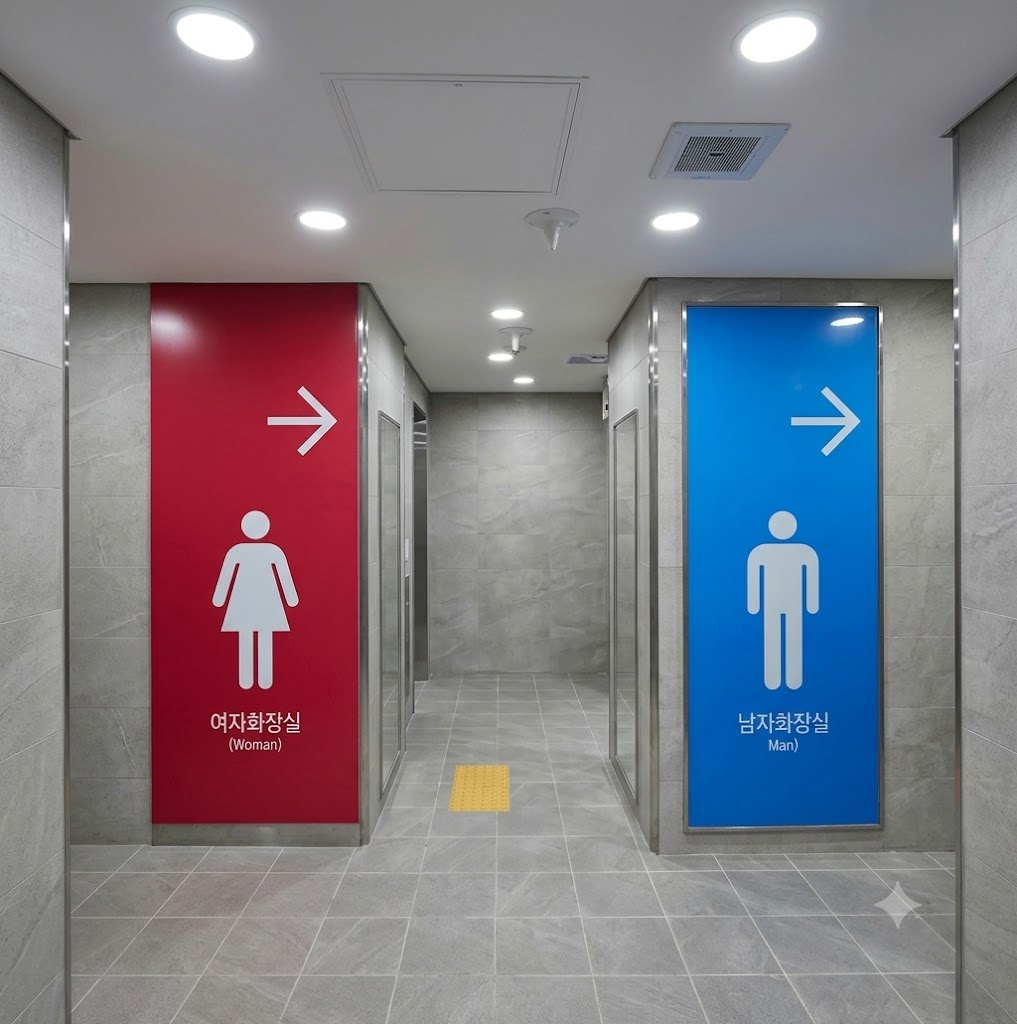
About the Author: With over 30 years of global business leadership and international travel experience across European capitals and Asian metropolitan hubs, I have experienced firsthand the universal dread of hunting down a working public restroom. My mission is to give you unvarnished, structured insights so you can explore South Korea's vibrant urban districts with absolute peace of mind and zero anxiety.
1. The Great Contrast: European Restroom Struggles vs. South Korea’s Open Network
If you have ever spent an afternoon navigating historic European tourist destinations such as Paris, Rome, or Amsterdam, you are likely all too familiar with the quiet anxiety of managing a sudden biological emergency in public. In many Western capitals, finding a working, sanitary restroom feels less like a basic civic convenience and more like an exhausting treasure hunt. Travelers are routinely forced to scour the streets for coin-operated turnstiles demanding exact change, stand in agonizingly long queues, or make a reluctant purchase at a corner cafe just to secure the door code. For countless international visitors stepping off their long-haul flights into Incheon International Airport, discovering how South Korea handles public sanitation comes as an absolute revelation.
South Korea is widely celebrated by seasoned global nomads as possessing one of the most hygienic, accessible, and entirely free public restroom infrastructures on Earth. This exceptional standard is the result of decades of proactive municipal governance, national civic pride, and smart urban planning. Cleanliness is treated as a fundamental baseline of public infrastructure rather than an afterthought. However, when you are traversing an unfamiliar metropolis like Seoul for the first time, knowing *where* to look instantly during a moment of urgency is paramount. You do not want to waste precious minutes wandering aimlessly through crowded commercial alleys. This in-depth guide provides a comprehensive, structured blueprint detailing exactly where to go, how to utilize local mapping applications, how to master high-tech electronic bidets, and what to expect across Seoul's busiest tourist districts.
2. Where to Go When Emergency Strikes: Your Go-To Locations
When nature calls while you are out exploring Korean streets, you never need to panic or hunt down a commercial vendor. High-standard public and commercial restrooms are distributed densely throughout every urban sector, ensuring you are rarely more than a two-minute walk from relief.
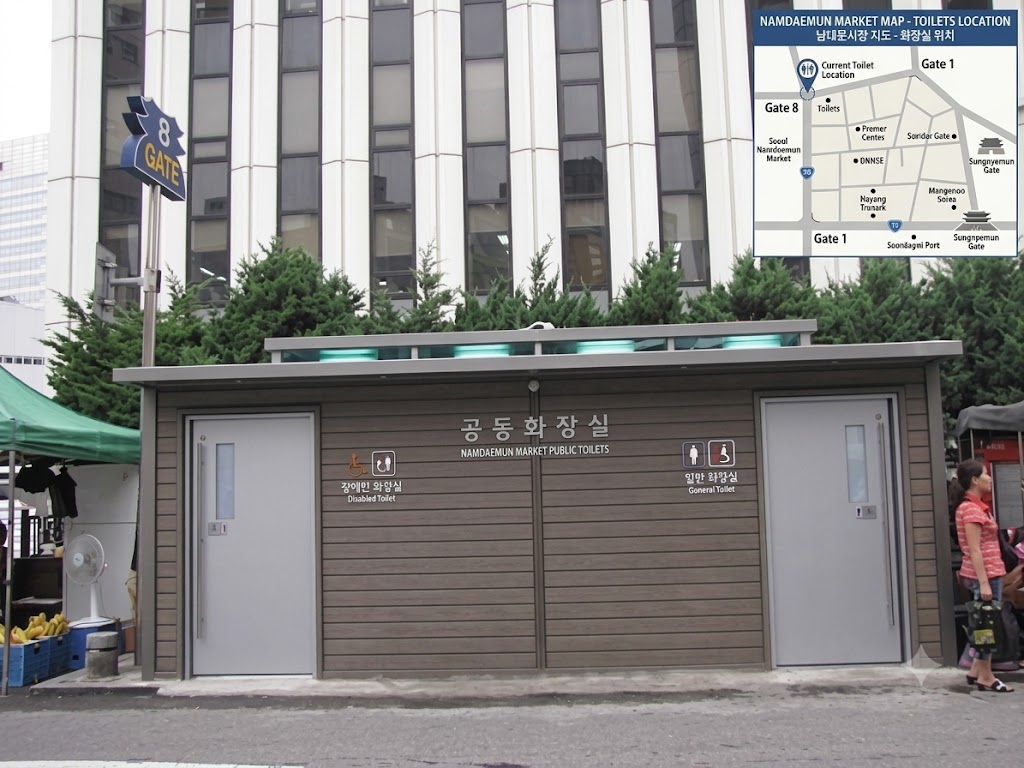
The Ultimate Emergency Restroom Checklist:
- Subway Stations: Almost every single subway station across the metropolitan transit network features impeccably maintained, free public restrooms. You will typically find them situated either just inside the ticket gates (in the paid transit zone) or immediately outside in the public concourse area. They are systematically cleaned and stocked with toilet paper.
- Community Centers (Dong Office) & City Halls: Local government administrative buildings, known as Community Service Centers or Gu/Si Offices, maintain open-door public restrooms on their ground floors or basement levels that easily rival luxury hotel standards.
- Police Stations & Substations (Jigudae): If you find yourself in an isolated commercial area during an urgent situation, walking into a local neighborhood police box and asking politely will almost always yield a kind, accommodating response from duty officers.
- Department Stores & Luxury Malls: High-end retail complexes such as Lotte Department Store, Shinsegae, and Hyundai Department Store provide pristine, marble-tiled restrooms on virtually every shopping level, complete with high-end amenities.
- Public Parks and Municipal Grounds: Major urban parks (including Han River riverside parks, Namsan, and Seoul Forest) feature permanent municipal restroom buildings clearly marked with bilingual English and Korean signage.
- Franchise Cafes and Restaurants: While standard neighborhood convenience stores (CU, GS25, 7-Eleven) rarely offer customer restrooms, major chains like Starbucks, Twosome Place, and international fast-food restaurants do. Keep in mind that many secure their doors with digital keypads; look for the PIN code printed directly on your purchase receipt.
3. Navigating High-Tech Korean Bidets (Washlets) Like a Pro
As you experience upscale dining venues, modern hotels, and newly constructed commercial malls throughout Seoul, you will frequently encounter sophisticated electronic bidet seats attached to toilets. For first-time international visitors, staring down an expansive control panel glowing with LED indicator lights and covered in unfamiliar Korean hangul characters can feel mildly intimidating.
Fortunately, manufacturers design these panels with intuitive universal iconography. To operate them smoothly, look for buttons featuring water spray symbols paired with terms such as 'Sejeong' (세정 - standard wash) or 'Biseu' (비데 - specialized feminine wash). There is almost universally a drying feature indicated by a wind or air wave icon ('Geonjo' / 건조). Crucial operational tip: Always press these control buttons while comfortably seated, as built-in weight sensors embedded in the seat prevent accidental activation and spraying when unoccupied!
Comparative Overview: Apps, Sanitation Rules, and District Hacks
| Category | Key Systems & Standards | Actionable Tourist Advice |
|---|---|---|
| Digital Mapping Tools | Naver Map, KakaoMap, Seoul Smart Complaint Portal | Input 'Toilet' or '화장실' to pin nearby public facilities instantly. |
| Tissue Disposal Rules | Direct flushing vs. Small side waste bins | Modern plumbing allows flushing paper; older heritage buildings require bins. |
| Major Tourist Hotspots | Hongdae, Myeongdong, Gangnam, Namdaemun, Gwangjang | Leverage subway concourses and department stores in crowded markets. |
District-Specific Sanitation Strategies:
- Myeongdong & Namdaemun: Street-level shopping lanes lack standalone public restrooms; duck directly into underground subway concourses or anchor department stores like Lotte.
- Hongdae & Gangnam: High-density nightlife districts feature strict keypad entry systems on cafe and bar restrooms; always check your receipt for the door access code.
4. Essential Mapping Apps to Locate Restrooms Instantly
While wandering blindly hoping to spot a sign is one approach, leveraging South Korea's advanced digital mapping ecosystem guarantees zero guesswork. Because global mapping applications sometimes struggle with granular indoor or municipal facility indexing, installing domestic mapping tools is a game-changer.
By opening Naver Map or KakaoMap—both of which fully support English search queries—and typing in keywords such as 'Toilet', 'Restroom', or the Korean term '화장실 (Hwajangsil)', your screen will populate with precise GPS markers indicating public facilities around you. Additionally, municipal applications like the Seoul Smart Complaint Reporting app provide specialized layers highlighting public sanitation infrastructure across the capital.
Interactive Survival Korean & Browser TTS Toolkit
When requesting access to a restroom from local venue staff or asking passersby for directions, these three essential phrases will bridge any communication gap instantly. Click the '▶ Listen' buttons below to practice accurate native pronunciation.
1. Where is the restroom?
화장실이 어디에 있나요?
Hwajangsil-i eodie issnayo?
2. May I use the restroom, please?
화장실 좀 써도 될까요?
Hwajangsil jom sseodo doelkayo?
3. Where is the nearest restroom?
가장 가까운 화장실이 어디예요?
Gajang gakkaun hwajangsil-i eodiyeyo?
3. Where is the subway station restroom?
지하철역 화장실은 어디인가요?
Jihachulyeok hwajangsil-eun eodiingayo?
Seoul City Hall and Central Public Sanitation Hub
Use the interactive map below to locate central municipal facilities and public rest hubs in Seoul.
Conclusion & Summary
Core Summary:
- Unlike many Western destinations, public restrooms across South Korea are impeccably clean, widely available, and completely free.
- Subway stations, public community centers, and major department stores provide the fastest emergency relief.
- Utilize Naver Map to pin nearby public facilities and check commercial cafe receipts for digital door PIN codes.
Sources & References:
- Seoul Metropolitan Government Public Sanitation & Restroom Management Guidelines
- National Public Facility Open Data Portal Records
Compliance Note: This guide is independently curated for educational and practical reference to assist international tourists navigating South Korea.